Compare Local Contractors for Antique Furniture Refinishing Services
Compare local contractors for antique furniture refinishing to define project scope, verify experience, and establish clear expectations for a successful outcome.
Antique furniture refinishing is a specialized service that involves restoring and preserving the unique character of older pieces. This work typically covers tasks such as stripping old finishes, repairing or replacing damaged wood components, applying new finishes or stains, and ensuring the piece maintains its historical integrity. Refinishing antique furniture requires a careful approach to avoid compromising its value or authenticity, making it important to work with experienced contractors who understand the nuances of working with older materials and finishes.
Clearly defining the scope of an antique furniture refinishing project is essential to ensure all parties have aligned expectations. Property owners should specify which aspects of the piece need attention-whether it’s stripping and resealing, repairing structural damage, or refinishing with a particular style or finish. Having a written outline of the work helps prevent misunderstandings and provides a basis for evaluating proposals. It also allows property owners to verify that contractors have experience with similar projects and understand the specific requirements involved in preserving antique qualities.
When comparing local contractors for antique furniture refinishing, property owners should consider several practical factors. Reviewing each service provider’s experience with antique pieces and their approach to restoration can reveal their level of expertise. It’s helpful to inquire about their previous work or request references that demonstrate their ability to handle similar projects. Additionally, ensuring that contractors are transparent about their process and willing to put the scope of work in writing can facilitate a smoother collaboration. By assessing these aspects, property owners can make informed decisions and select service providers capable of meeting the specific needs of their antique furniture.
Compare local contractors by outlining project priorities, verifying experience, and establishing clear expectations in writing.
- Experience Verification - Confirm that contractors have relevant experience with antique furniture refinishing projects.
- Scope Definition - Clearly outline the services and work expectations in written agreements.
- Comparison of Service Providers - Evaluate multiple local contractors to find the best match for specific project needs.
- Written Agreements - Ensure all project details, including scope and responsibilities, are documented in writing.

Clearly describe your antique furniture refinishing project to help local contractors understand scope and compare their expertise effectively.
- Verify experience with antique furniture refinishing to ensure familiarity with traditional techniques and finishes. - Look for service providers who clearly define the scope of work and accepted methods in writing.
- Assess the contractor’s portfolio or references to confirm previous work on similar antique pieces. - Ensure that the refinishing methods align with preserving the furniture’s historical value.
- Compare multiple local contractors to evaluate their approaches and attention to detail in antique furniture restoration. - Clarify expectations and specific outcomes before work begins.
- Check that the service provider understands the importance of maintaining the furniture's authenticity and original craftsmanship. - Confirm that the scope includes appropriate surface preparation, refinishing, and protective finishes.
- Request a detailed written agreement outlining the work to be performed, materials used, and any warranties offered. - This helps ensure all parties agree on the project’s parameters and deliverables.
Use this to compare contractors, clarify project scope, verify experience, and set clear expectations.
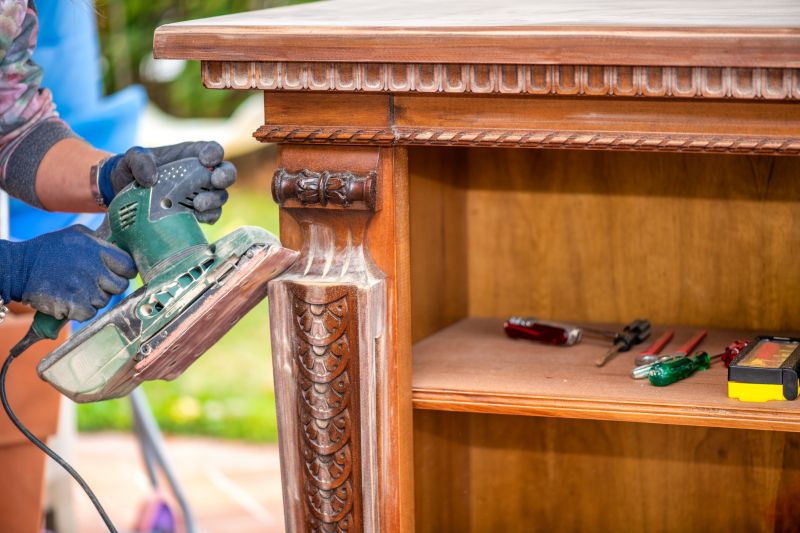



Use clear scope definitions and consistent comparison criteria to evaluate local contractors' experience and set expectations in writing.
- Experience and Expertise - Identify local contractors with demonstrated experience in antique furniture refinishing projects.
- Scope of Work Definition - Clearly specify the refinishing tasks, including surface preparation, staining, and finishing techniques.
- Materials and Techniques - Determine the types of materials and methods the service providers plan to use for the refinishing process.
- Communication and Documentation - Ensure all project details, expectations, and scope are documented in writing before work begins.
- Reputation and References - Verify the reputation of local contractors through reviews or references related to antique furniture refinishing.
When comparing contractors for antique furniture refinishing, it is important to evaluate their experience with similar projects. Service providers who have a history of working with antique pieces are more likely to understand the delicate techniques and materials involved. Inquire about the types of furniture they have refinished and ask for examples of past work that demonstrate their familiarity with antique finishes and restoration methods. This background can help ensure that the chosen contractor has the practical knowledge needed to handle the unique challenges that antique furniture presents.
A clear, written scope of work is essential when evaluating potential contractors. This document should outline the specific tasks involved, such as stripping, repairing, staining, and sealing, along with any details about the desired finish or preservation techniques. Having a detailed scope helps prevent misunderstandings and ensures that both parties have aligned expectations. It also provides a basis for comparing what each service provider offers, making it easier to identify the most comprehensive and well-defined proposals.
Verification basics are key to assessing the reliability of local contractors. Request references from previous clients who had similar antique furniture refinishing projects, and consider asking about their satisfaction with the results and the contractor’s professionalism. Additionally, verify the contractor’s reputation through online reviews or industry directories. Confirming that a service provider has a history of completing projects successfully and maintaining good client relationships can help reduce the risk of issues later on and contribute to a smoother project experience.
When evaluating options, focus on the details of each contractor’s approach and communication. Review the scope of work, experience, and references to gauge their expertise and reliability. It’s also beneficial to ask how they plan to handle specific challenges related to antique furniture, such as preserving original finishes or repairing delicate veneer. Comparing these aspects helps identify the service providers best suited to meet the unique needs of antique furniture refinishing, ensuring a professional outcome aligned with expectations.
Request written descriptions of the scope and expectations to ensure clear understanding and consistent project outcomes.
- Experience and Portfolio - What specific experience do the service providers have with antique furniture refinishing?
- Scope of Work - How do contractors define the scope of refinishing projects to match your furniture's needs?
- Materials and Techniques - What materials and techniques do the contractors typically use to preserve and restore antique pieces?
- Warranty and Guarantees - Do the service providers offer any written warranties or guarantees for their refinishing work?
- Communication and Expectations - How do contractors clarify project expectations and ensure alignment before beginning work?
What should I consider when choosing a contractor for antique furniture refinishing? It's important to review their experience with similar projects, verify their reputation, and ensure they understand your specific restoration needs.
How can I compare different contractors for antique furniture refinishing? Look for detailed descriptions of their services, request examples of past work, and check if they provide clear scope definitions and written estimates.
Why is it helpful to define the scope of work in writing? Having a written scope helps ensure both parties agree on the work to be done, reducing misunderstandings and setting clear expectations for the project.
What questions should I ask a contractor about their experience? Inquire about their previous projects involving antique furniture, the types of finishes they use, and their familiarity with specific styles or periods.
How can I verify a contractor's expertise in antique furniture refinishing? Request references or examples of completed projects, and ask about their familiarity with restoration techniques suitable for antique pieces.
What is the importance of having a detailed written agreement? A detailed agreement helps clarify the scope, materials, and expectations, providing a reference point throughout the project to ensure alignment.
This page has provided an overview of how to find and evaluate contractors specializing in antique furniture refinishing. Visitors learned the importance of clearly defining the scope of work, verifying the experience of service providers, and setting expectations in writing to ensure a smooth process. Comparing multiple local contractors can help identify options that align with specific needs and preferences.
To explore available service providers, use the quote form to compare local contractors who can handle antique furniture refinishing projects. Gathering information through this process can assist in making informed choices and connecting with experienced professionals in the area.